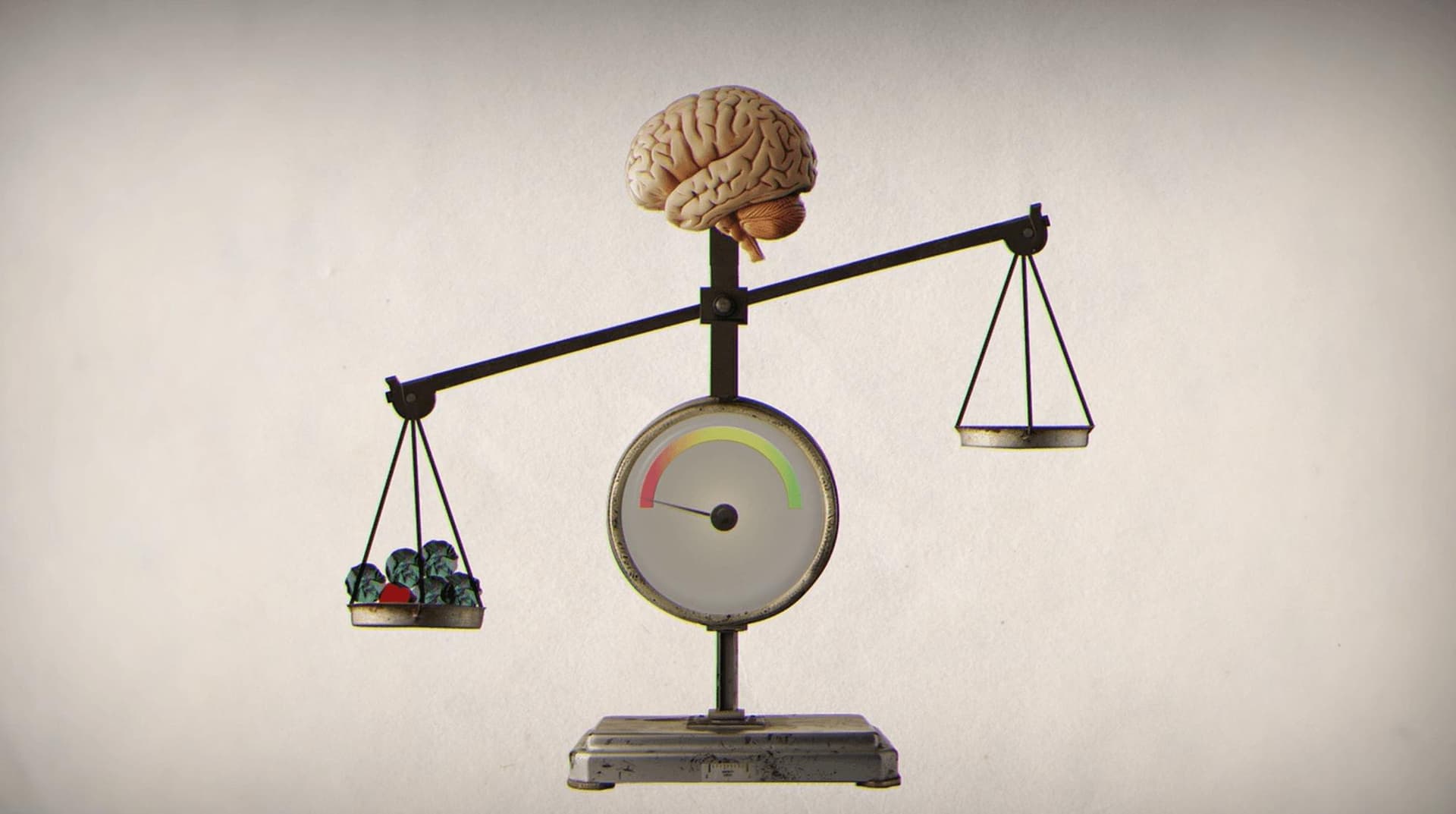
For years, the connection between hearing loss and dementia has gained attention, particularly in older adults. But a growing body of evidence suggests the most impactful time to intervene may be much earlier than previously assumed.
Rethinking when risk begins
While the link between untreated hearing loss and cognitive decline is now widely accepted, hearing care continues to be framed as an issue of late life. But a 2023 study analyzing data from the Health and Retirement Study (2010–2018), a nationally representative, U.S.-based longitudinal study funded by the National Institute on Aging, paints a different picture.1
When researchers tracked the incidence of dementia in adults who developed hearing loss during an eight-year period, all of whom had no hearing loss or dementia at the start, they found something striking:
Adults aged 50–64 who developed hearing loss during that period experienced a significantly higher risk of developing dementia than those who developed hearing loss at the age of 65 and older.1
These results are illustrated in Figure 1.1

In fact, mid-life hearing loss emerged as a stronger predictor of dementia than in adults aged 65 and older.1 This aligns with broader findings from the 2024 Lancet Commission, which reaffirms hearing loss as the top modifiable risk factor for dementia globally.2 This also reflects the growing emphasis from U.S. health institutions, including the CDC Healthy Aging Program, NIH/NIA, and the American Academy of Audiology, on integrating hearing into broader brain health strategies.
Mid-life hearing care: still overlooked
Despite these findings, mid-life adults are rarely the focus of hearing screenings or preventive care. Many present with mild or unnoticed symptoms, or simply do not consider hearing a priority at this stage of life.
Yet this group may offer the greatest opportunity for intervention.
By shifting the timeline of care earlier, we can help reduce the downstream burden on both individuals and the health system. This includes supporting better outcomes in cognition, mental health, and social participation, all of which are connected to hearing health.2,3
What this means for HCPs
This is not about more effort. It is about creating more impact from what you already do by recognizing the opportunity to lead earlier, using the tools already at your disposal, and reframing the conversation, especially with groups who may not yet see themselves as needing care.
Here are a few ways hearing care professionals can help bring that reframing to life, with practical steps that align with the work many are already doing.
Position hearing care as prevention
Proactively framing hearing health as part of healthy aging can increase relevance and urgency.
Raise awareness among mid-life adults
This group can be hard to reach, as they may not notice early symptoms or see hearing care as a priority. Here is some inspiration to help reach them:
Run local campaigns focused on brain health
Partner with gyms, pharmacies, or wellness clinics
Offer short educational sessions on hearing and brain health in local settings relevant to your community
Foster collaboration
Working with GPs and other professionals helps bring hearing into routine care, making it more visible and accessible to this age group. Cross-disciplinary messaging strengthens awareness and shifts hearing care earlier.
Start the conversation today
Reaching mid-life adults earlier will not happen through hearing care alone. It requires better connection between professionals who see patients across different parts of their health journey. Often, the best way to begin is through a simple conversation.
To support that, we've created a short, practical brochure designed to help hearing care professionals introduce the value of hearing health to relevant colleagues, such as GPs or neurologists.
You can download the LISTEN TO THIS Healthcare Professional Brochure
Use it to help start meaningful discussions about hearing health, brain health, and the potential for shared impact.
Looking to go further? Our Healthcare Collaboration Guide offers deeper support, including collaborative messaging ideas and clinical talking points. It is available upon completion of our LISTEN TO THIS Masterclass.
2 Livingston G, Huntley J, Sommerlad A, et al. Dementia prevention, intervention, and care: 2024 report of the Lancet Standing Commission. Lancet. 2024. doi:10.1016/S0140-6736(24)01296-0
3 World Health Organization. World report on hearing. World Health Organization. Published 2021. Accessed June 18, 2025. https://www.who.int/publications/i/item/world-report-on-hearing