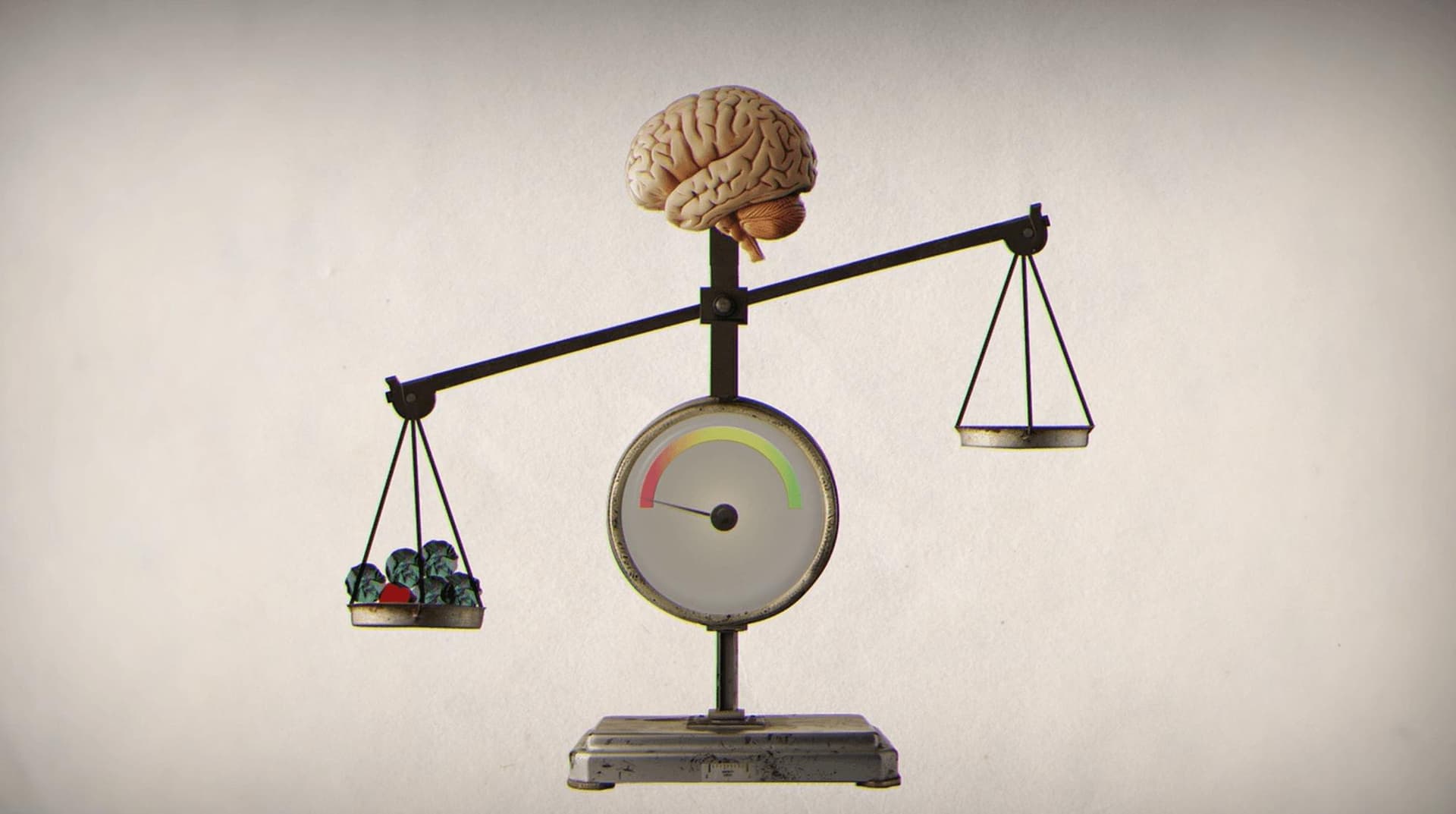
The study's positive results (see below) have understandably generated a lot of media buzz. But for many audiology experts, the findings support what they've suspected for years. That hearing health is vital to overall health, which is why addressing hearing loss can play a key role in promoting cognitive wellbeing.
In fact, events over the past decade have increasingly added weight to the hearing and dementia connection. With new research taking this story from enticing to now potentially enormous. Let's look back at some of the major milestones so far…
2011 - A connection is made
In a watershed 2011 study², Johns Hopkins professor Dr Frank R. Lin and colleagues find that seniors with hearing loss are significantly more likely to develop dementia over time than those who retain their hearing. In fact, those with mild, moderate, or severe hearing loss had a respective twofold, threefold, and fivefold risk of developing dementia. Put simply, the higher the hearing loss, the higher the likelihood of developing this chronic condition.
2014 - Opening up for more
Continuing his run of research, another Lin-led study³ finds that hearing impairment in older adults is independently associated with accelerated cognitive decline and incident dementia. The study wasn't yet able to explore if hearing aid use could moderate this association, paving the way for more investigation around hearing loss interventions.
2019 - Stronger evidence needed
Despite the growing link between hearing loss and cognitive decline, there's caution around whether hearing interventions can delay the onset of dementia. As demonstrated by new World Health Organization (WHO) guidelines⁴ stating that there's insufficient evidence to recommend the use of hearing aids to reduce the risk of cognitive decline.
2020 - Potentially modifiable risk factors
In a Lancet Commission report on dementia prevention, intervention, and care⁵, hearing loss is listed as the biggest potentially modifiable risk factor out of 12. These are factors that might prevent or delay up to 40% of dementias. And as protection against dementia, this meta-analysis report states that hearing aids appear to reduce the excess risk associated with hearing loss.
2021 - The hearing aid effect
A new study in the peer-reviewed Alzheimer's & Dementia journal⁶ sets out to examine for the first time the effect of hearing aid usage in the conversion from mild cognitive impairment to dementia. The study finds that hearing aid users with a hearing impairment are at a significantly lower risk of developing all-cause dementia – a conclusion that demands further testing.
2023 - A real turning point
The arrival of the eagerly-anticipated ACHIEVE study¹ – once again led by Dr Frank R. Lin – marks a new chapter in this ever-evolving story. Among its many results, the study finds that for people at higher risk of cognitive decline, hearing intervention could slow its progression by 48%. Suggesting that maintaining good hearing may lower the risk of developing dementia.
Get ahead of the curve
As the past decade has shown, a lot's happened to establish hearing loss as one of the potentially biggest risk factors for developing dementia. And now there's potential proof that intervening with hearing aids may actually reduce this risk.
Clearly, more investigation is needed to see how hearing aids provide the cognitive benefits and to better understand the longer-term benefits of hearing intervention. But one thing's for sure – this is a fast-moving story where audiology experts will do well to get ahead of the curve.
Watch this space…
Want to know more about what the landmark ACHIEVE study tells us?
2 Lin FR, Metter EJ, O'Brien J, et al. Hearing loss and incident dementia. Arch Neurol. 2011;68(2):214-220. https://www.ncbi.nlm.nih.gov/pmc/articles/PMC3277836/
3 Lin FR, Ferrucci L, et al. Association of hearing impairment with brain volume changes in older adults. NeuroImage. 2014;90. doi:10.1016/j.neuroimage.2013.12.059
4 World Health Organization. Global action plan on the public health response to dementia 2017–2025. Published 2017. https://apps.who.int/iris/handle/10665/259615
5 Livingston G, et al. Dementia prevention, intervention, and care: 2020 report of the Lancet Commission. Lancet. 2020;396(10248). https://www.thelancet.com/article/S0140-6736(20)30367-6/fulltext
6 Bucholc M, McClean PL, et al. Association of the use of hearing aids with the conversion from mild cognitive impairment to dementia and progression of dementia: a longitudinal retrospective study. Alzheimers Dement (Amst). 2021;7(1):e12122. doi:10.1002/trc2.12122